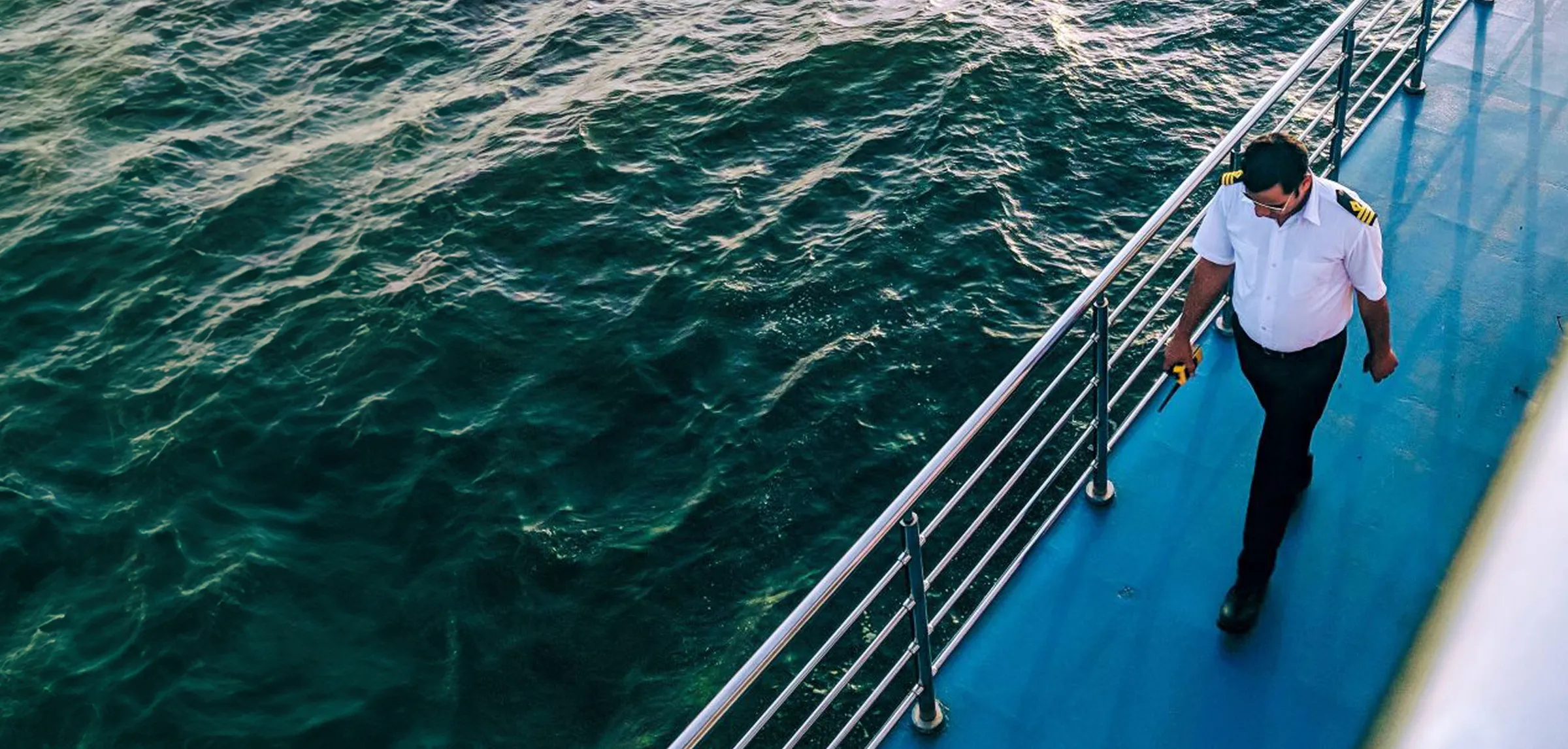
Meteorology (Operational Level) (OICNW) (STCW)
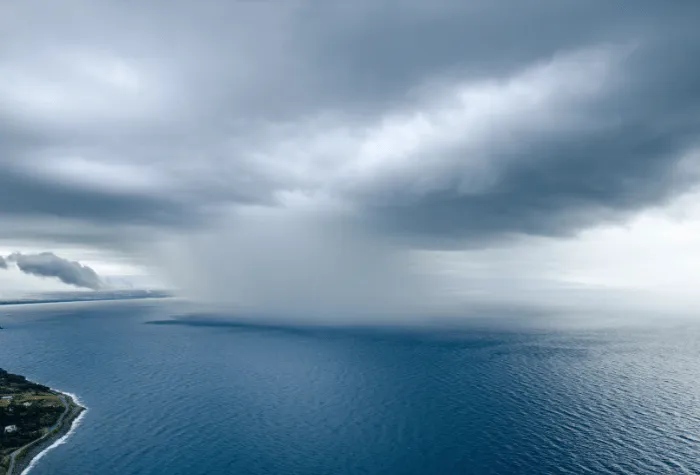
This course provides essential training in meteorology for Officers in Charge of a Navigational Watch (OICNW) at the operational level. It adheres to STCW (Standards of Training, Certification, and Watchkeeping) regulations and focuses on understanding weather patterns, forecasting, and applying meteorological knowledge to maritime navigation.
Why Thousands of Mariners Choose Sea School?
Each year, over 7,500 students choose Sea School for their maritime training. We offer 30+ USCG-approved courses across in-person, online, and satellite formats, with training available at 6 locations nationwide. Team training is also available on-site or via satellite to meet company needs.




This course provides essential training in meteorology for Officers in Charge of a Navigational Watch (OICNW) at the operational level. It adheres to STCW (Standards of Training, Certification, and Watchkeeping) regulations and focuses on understanding weather patterns, forecasting, and applying meteorological knowledge to maritime navigation.

Completion of this training will satisfy the Meteorology knowledge understanding and proficiency requirements as specified in Table A-II/1 of the STCW Code, as amended 2010; and the approved training requirements of 46 CFR 11.309(a)(4)(xiii) for certification as Officer In Charge of a Navigational Watch on vessels of 500 or more gross tonnage (ITC).
Why Thousands of Mariners Choose Sea School?
Each year, over 7,500 students choose Sea School for their maritime training. We offer 30+ USCG-approved courses across in-person, online, and satellite formats, with training available at 6 locations nationwide. Team training is also available on-site or via satellite to meet company needs.
Real-World Expertise
Excellence starts with a strong foundation. We believe in mastering fundamental skills, building confidence, and ensuring every mariner has the knowledge and expertise needed to succeed in their career.
Flexible Learning Options
True leadership is demonstrated through action. We foster a hands-on approach, where mariners learn by doing and gain real-world experience that prepares them for the challenges of the industry.
Career Advancement
In the maritime world, challenges are inevitable - but so are solutions. We encourage proactive thinking, problem-solving, and the courage to take initiative.
Industry-Recognized Certifications
We never settle for mediocrity. Whether in training, leadership, or problem-solving, we strive for the highest standards in everything we do.
A Strong Community & Industry Network
Success in the maritime industry requires a strong work ethic. We embrace a roll-up-your-sleeves mentality, knowing that real growth comes from effort and persistence.
Confidence & Leadership Development
Ttrue professionals must be ready to adapt. We believe in staying agile, embracing change, and continuously expanding our skills to meet new challenges.
We’ve developed comprehensive, engaging, and practical curriculum to set you up for success on the water
While the curriculum represented on the Sea School website is a general layout of course information, it is not the exact order in which lessons are taught.
- Overview of Meteorological Principles and Concepts
- Importance of Meteorology in Maritime Navigation
- Key Meteorological Terminology and Definitions
- Overview of Meteorological Principles and Concepts
- Importance of Meteorology in Maritime Navigation
- Key Meteorological Terminology and Definitions
- Understanding Weather Systems: Highs, Lows, Fronts, and Cyclones
- Weather Phenomena: Winds, Precipitation, Clouds, and Temperature
- Influence of Weather Systems on Maritime Operations
- Understanding Weather Systems: Highs, Lows, Fronts, and Cyclones
- Weather Phenomena: Winds, Precipitation, Clouds, and Temperature
- Influence of Weather Systems on Maritime Operations
- Methods of Weather Forecasting and Data Sources
- Interpreting Weather Charts, Satellite Images, and Weather Reports
- Using Forecasts to Plan and Adjust Maritime Routes
- Methods of Weather Forecasting and Data Sources
- Interpreting Weather Charts, Satellite Images, and Weather Reports
- Using Forecasts to Plan and Adjust Maritime Routes
- Identification and Application of Navigation Lights
- Understanding Day Shapes and Sound Signals
- Interpretation of Light and Sound Signals in Various Scenarios
- Identification and Application of Navigation Lights
- Understanding Day Shapes and Sound Signals
- Interpretation of Light and Sound Signals in Various Scenarios
- Rules for Safe Navigation: Overtaking, Crossing, and Head-On Situations
- Rules for Conduct in Restricted Visibility and Traffic Separation Schemes
- Maneuvering and Conducting Vessels in Special Circumstances
- Rules for Safe Navigation: Overtaking, Crossing, and Head-On Situations
- Rules for Conduct in Restricted Visibility and Traffic Separation Schemes
- Maneuvering and Conducting Vessels in Special Circumstances
- Problem-Solving Exercises and Role-Playing
- Review of Real-World Incidents and Application of Rules
- Problem-Solving Exercises and Role-Playing
- Review of Real-World Incidents and Application of Rules
A Simple 3-Step Process to Get Certified and Start Your Maritime Career
Choose Your Course
Pick the course that fits your experience level and sea time and select the available format that works for you (in-person, Zoom, or online).
Enroll & Prepare
Register online or at a Sea School location. Ensure you meet eligibility requirements and start reviewing the provided study materials.
Get Certified
After finishing the course, you will need to submit your application to the Coast Guard to receive your Merchant Mariner Credential (MMC).



What Our Clients Say
What We Provide:
What Students Need to Bring:
Advance your Maritime Career
Meteorology FAQs
The difference between Meteorology and Advanced Meteorology stems from the license level associated with each. Meteorology is designed for mariners learning more fundamental skills while going for their OICNW endorsement, while Advanced Meteorology is more in depth and is for higher level licenses like Chief Mate or Master on larger vessels.
Your Journey Begins Here – Get Certified & Get on the Water!
Helping thousands of mariners every year, Sea School is a leader in the maritime education space. Whether you are new to the industry or looking to add onto your Merchant Mariner Credential, find the courses right for you at Sea School.